
 Tiếng Việt
 中文 (中国)


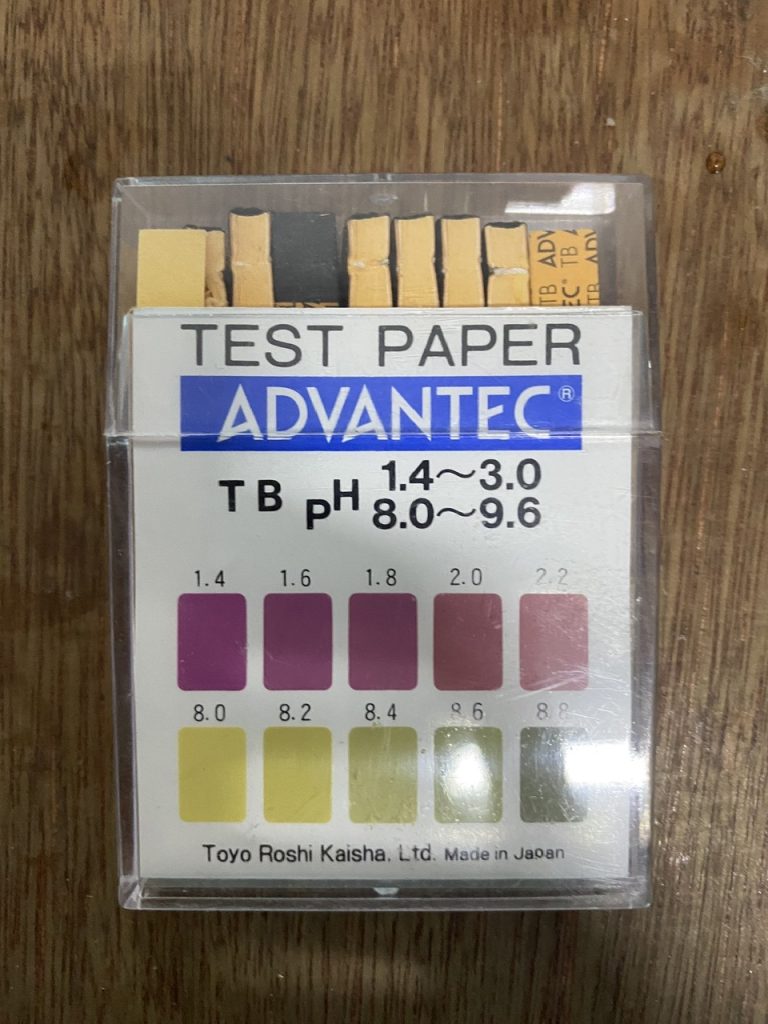
Step 1: Inspection of the pH level in glue
The first quality control step is measuring the pH value of the plywood adhesive. UF (Urea Formaldehyde) and MUF (Melamine Urea Formaldehyde) resins must remain slightly alkaline during storage to maintain chemical stability.
Maintaining the correct pH helps to:
- Prevent premature curing
- Ensure uniform resin consistency
- Improve glue spreadability
- Deliver stable bonding quality during hot pressing
This inspection ensures the adhesive performs consistently throughout the plywood manufacturing process.
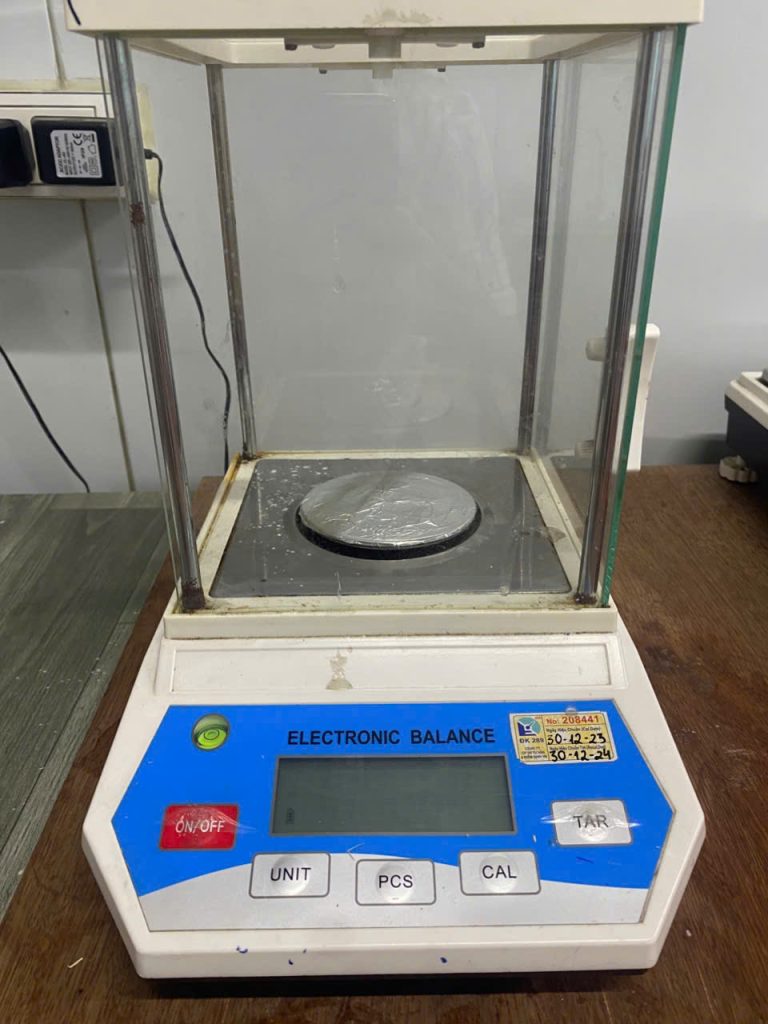
Step 2: Inspection of solids content in glue
The second inspection measures the solids content of the adhesive by determining the percentage of resin remaining after water evaporation.
This parameter directly affects:
- Bonding strength
- Glue penetration into veneer
- Adhesive viscosity
- Hot pressing performance
- Final plywood durability
If the solids content is too low, excessive water reduces the amount of effective resin, resulting in weaker bonding and lower-quality plywood.
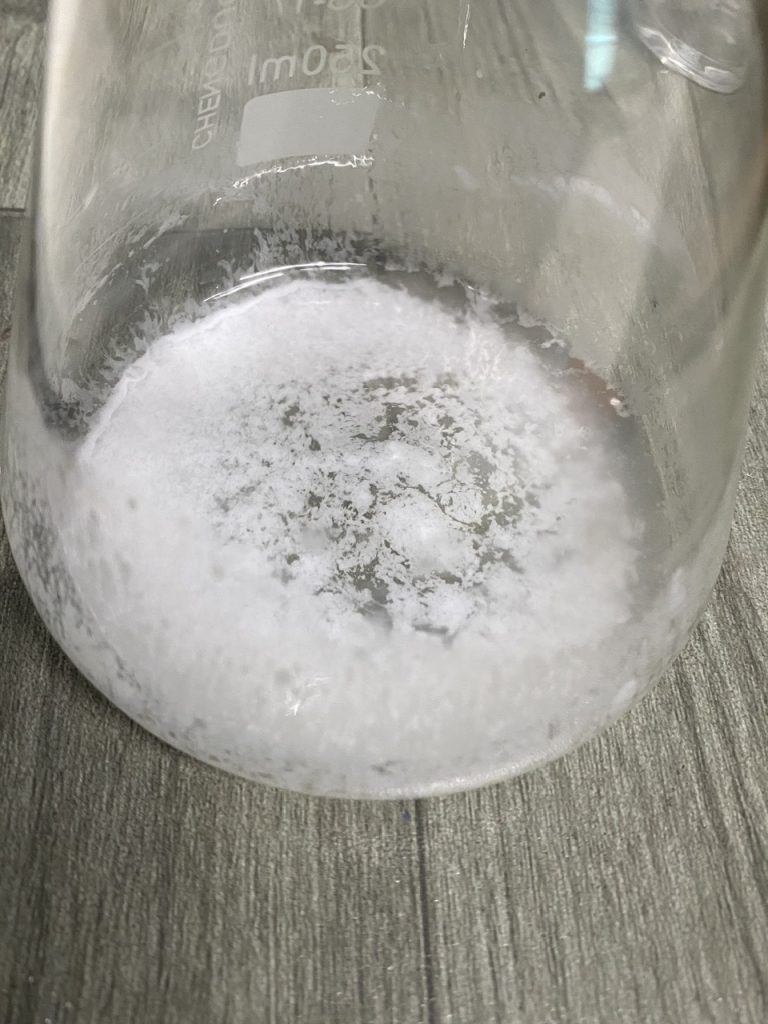
Step 3: Inspection of precipitation phenomenon
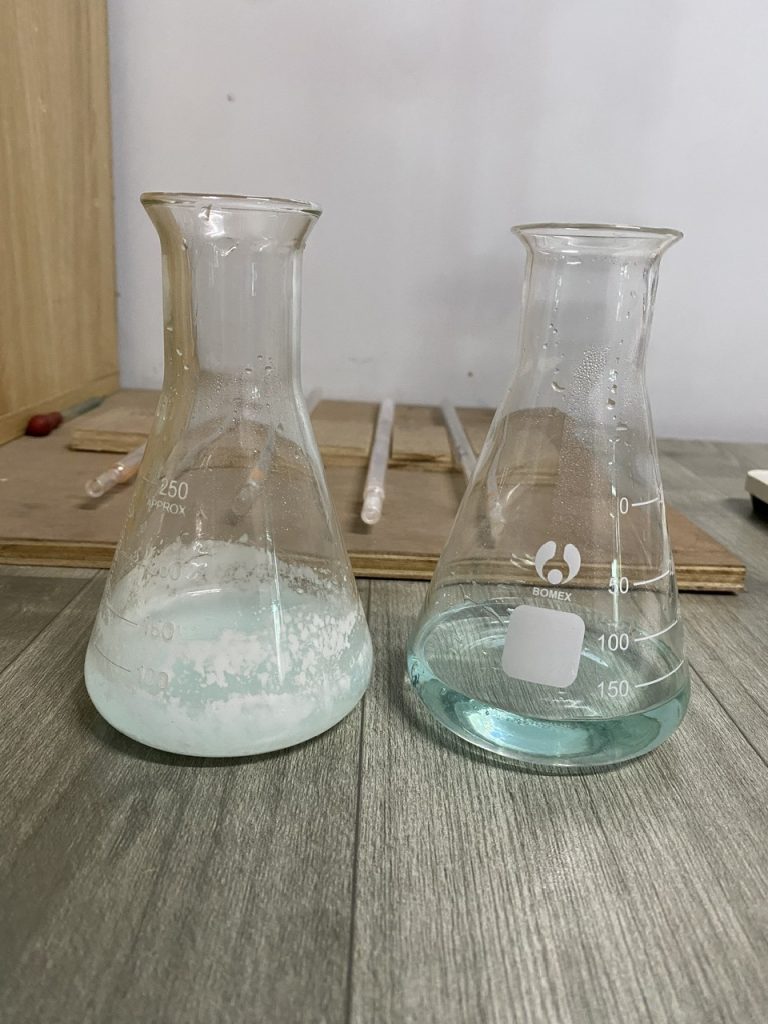
The third inspection evaluates the stability of the adhesive through a water dilution (precipitation) test.
A measured quantity of glue is mixed with laboratory-grade distilled water under controlled conditions while technicians observe the point at which resin precipitation (flocculation) begins.
This test verifies:
- Chemical stability
- Resin uniformity
- Storage performance
- Production consistency
Stable adhesive ensures reliable bonding and consistent quality in every plywood panel.
Step 4: Inspection of free formaldehyde emission level
The final laboratory test measures the free formaldehyde content of the adhesive.
This inspection confirms whether the glue complies with international emission standards, including:
- E1
- E0
- Super E0
Strict formaldehyde control enables Anh Phuong plywood to meet the requirements of international markets while providing safer products for furniture, interior, and construction applications.
As a Vietnamese plywood exporter, Anh Phuong recognizes that adhesive quality directly determines the strength, durability, and environmental performance of plywood. By implementing rigorous glue quality control before production, we ensure every sheet of commercial plywood, film faced plywood, and furniture plywood delivers stable quality for customers worldwide, including Japan, South Korea, Thailand, Malaysia, the Philippines, and Cambodia.